News

Presbyopia: Symptoms, causes and treatment

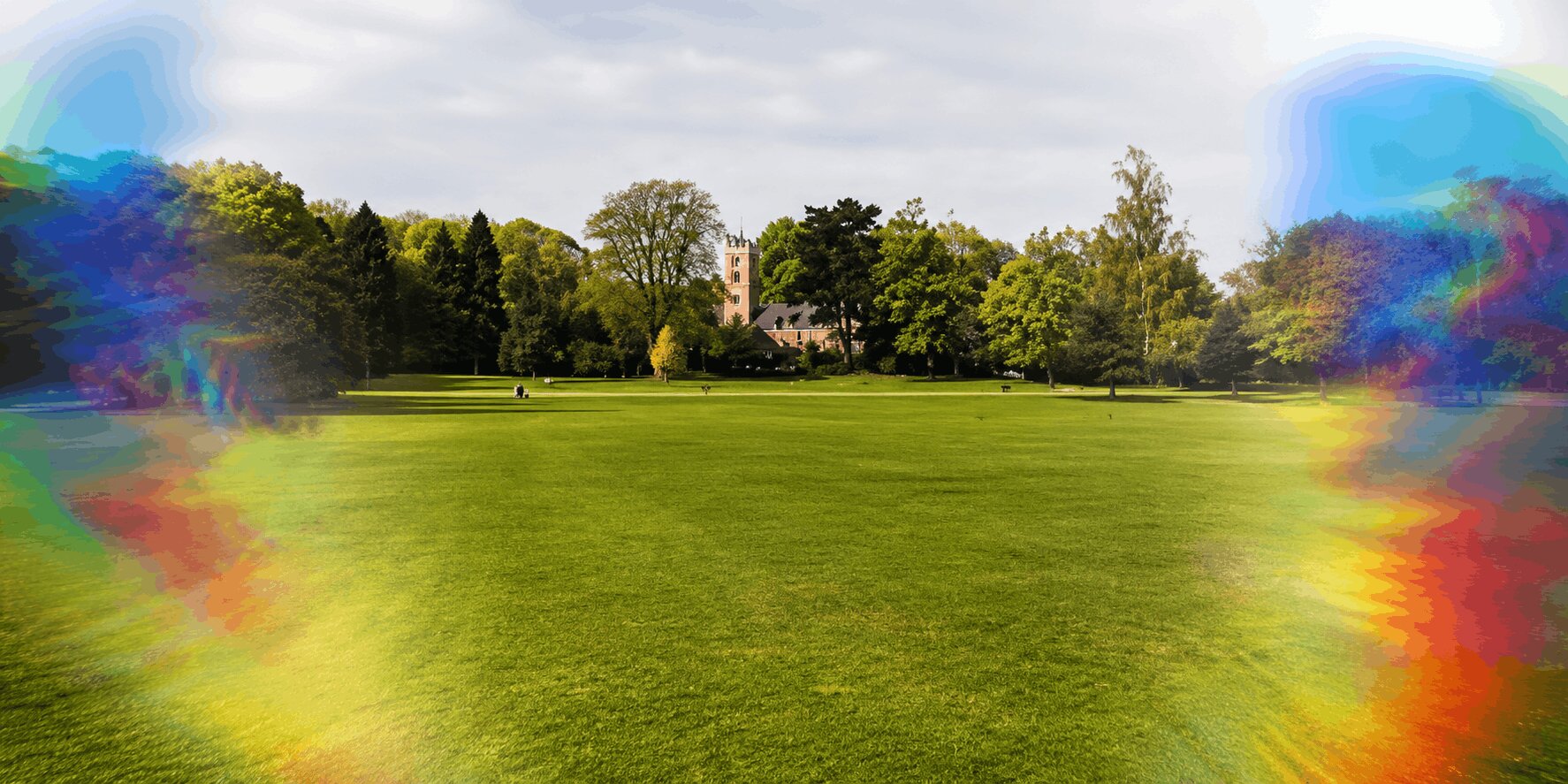
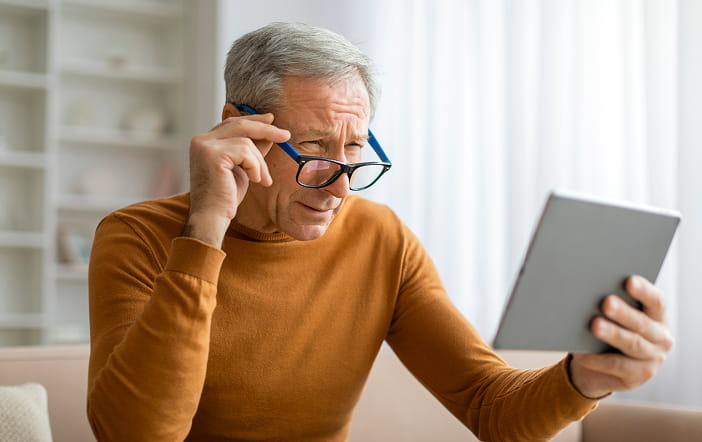
Presbyopia is the normal loss of near focusing ability that occurs with age. Most people begin to notice the effects of presbyopia sometime after age 40, when they start having trouble seeing small print clearly โ€” including text messages on their phone. You canโ€™t escape presbyopia, even if youโ€™ve never

Learn More

Ocular and visual migraines: Whatโ€™s the difference?

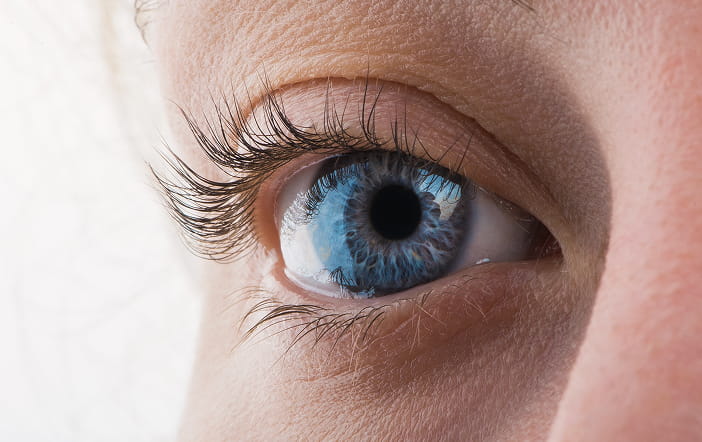
An ocular migraine is a rare condition characterized by temporary vision loss or even temporary blindness in one eye. Ocular migraines are caused by reduced blood flow or spasms of blood vessels in the retina or behind the eye. In an ocular migraine, vision in the affected eye generally returns

Learn More

Eyeโ€™s cornea can resist infection from novel coronavirus

New findings from researchers at Washington University School of Medicine in St. Louis suggest the eyeโ€™s cornea can resist infection from the novel coronavirus. Although the herpes simplex virus can infect the cornea and spread to other parts of the body in patients with compromised immune systems, and Zika virus

Learn More

Lighting Tips For Less Eye Strain And Better Visibility

Lightโ€ฆ itโ€™s the most essential element of vision. We are surrounded by it all day, whether it be natural or artificial. So itโ€™s no surprise that we frequently get asked if certain types of light can negatively affect our eyes. Here weโ€™ve compiled some tips so you can protect your

Learn More

High-Index vs Regular Lenses: Which Is Right for You?

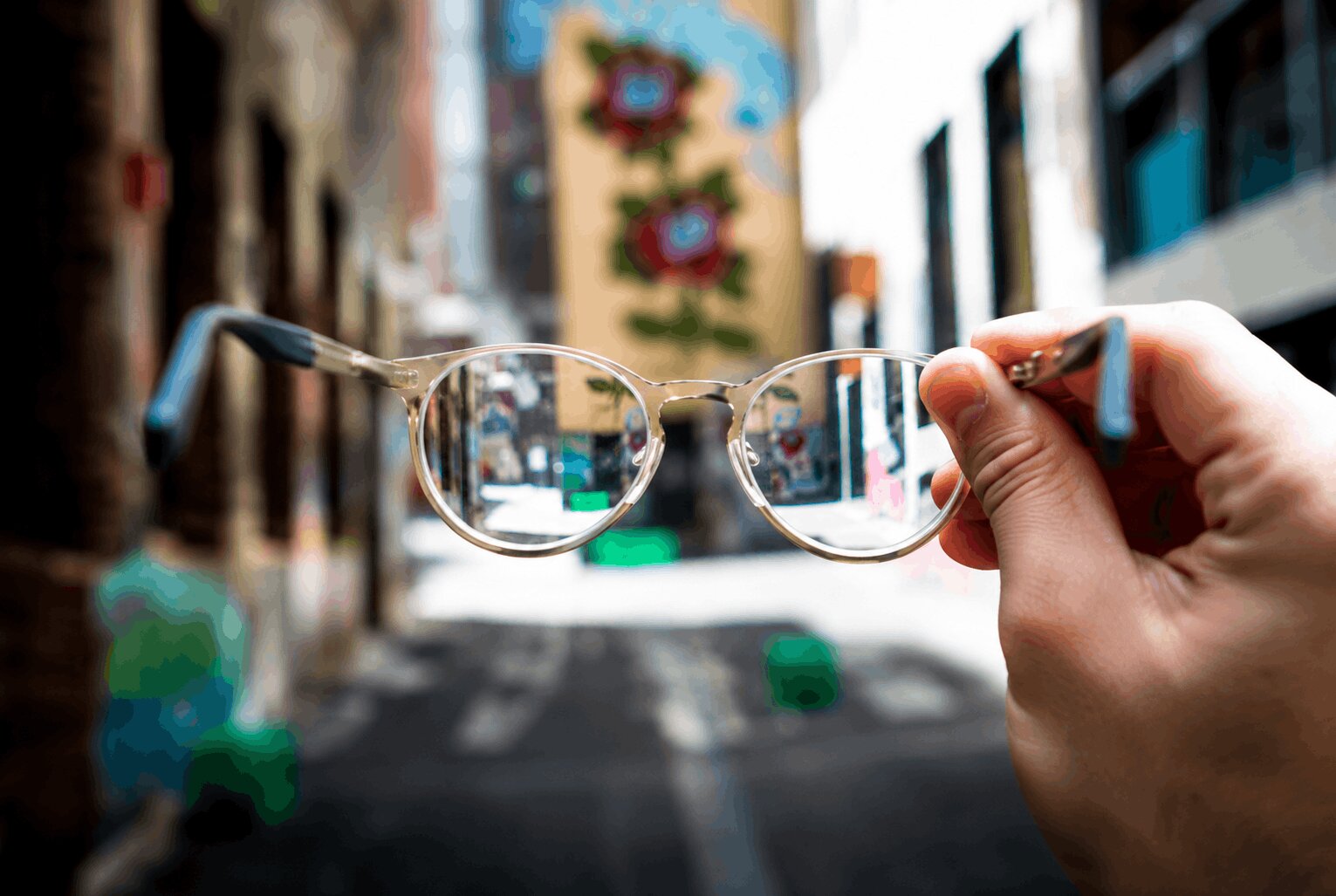
High-index spectacle lenses are the right choice if you want thinner, lighter lenses and glasses that are as attractive and comfortable as possible. Thinner, lighter high-index lenses are especially recommended if you have a strong eyeglass prescription for short sightedness, long sightedness or astigmatism. But high-index lenses can make your

Learn More